A Creative Living — Light, Movement and Everyday
Poetry at the Impressionist Exhibition in Rome
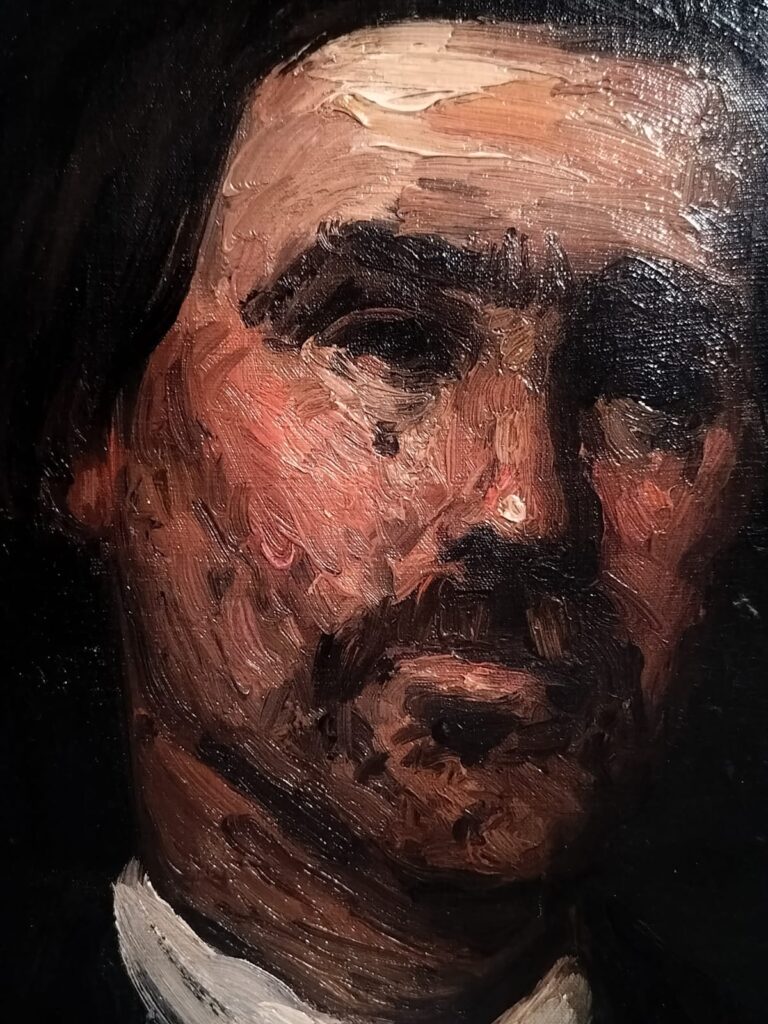
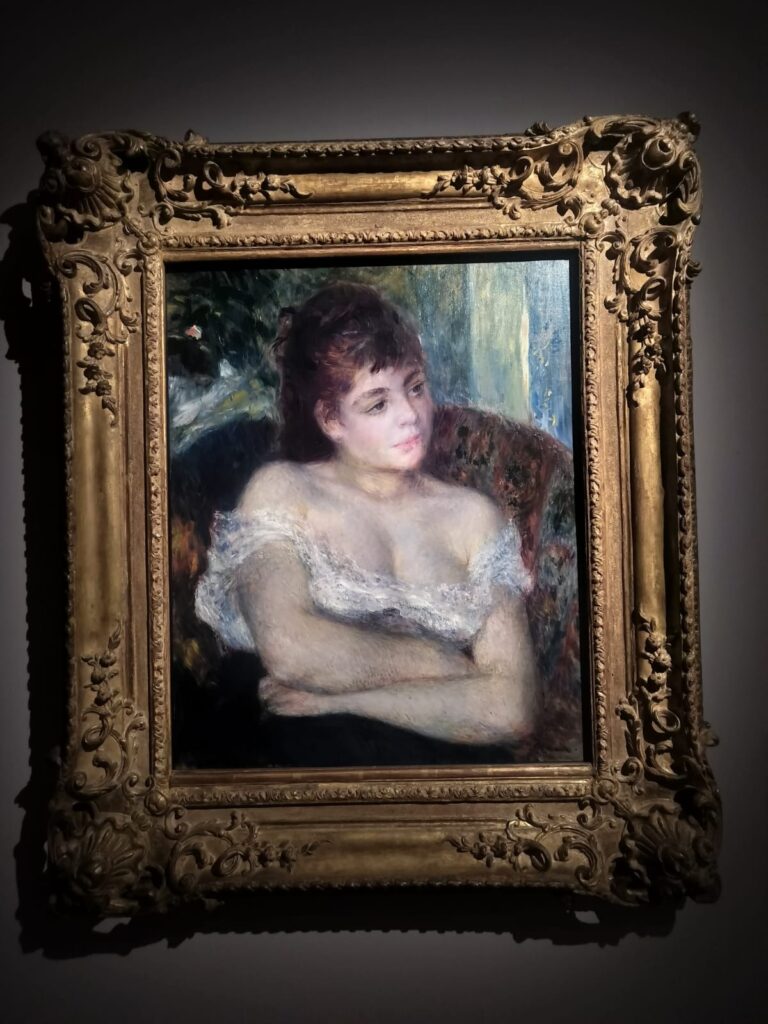
Recently I visited an Impressionist exhibition in Rome that reminded me how deeply art
belongs to everyday life. Museums often appear separate from our routines, yet the
Impressionists teach the opposite: creativity begins exactly where life happens — in
movement, observation, and attention.
For me, a creative living is not simply about producing artworks. It is about cultivating
awareness. The Impressionists painted fleeting moments not because they were simple,
but because they were alive.
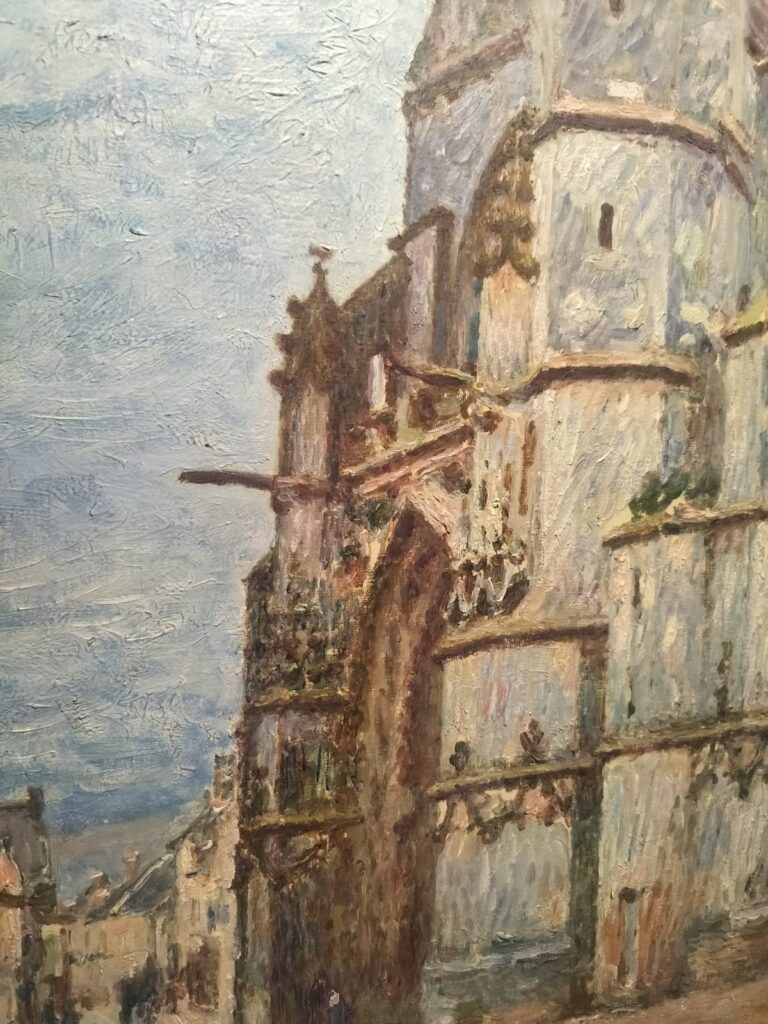
Walking through the exhibition, light seemed to dissolve structure itself. Colours touched
each other softly; shadows vibrated rather than settled. Standing in front of works inspired
by masters such as Claude Monet, I was reminded that observation requires patience.
From a distance the paintings feel atmospheric and immersive; from close up they reveal
gestures — rapid decisions translated into brushstrokes.
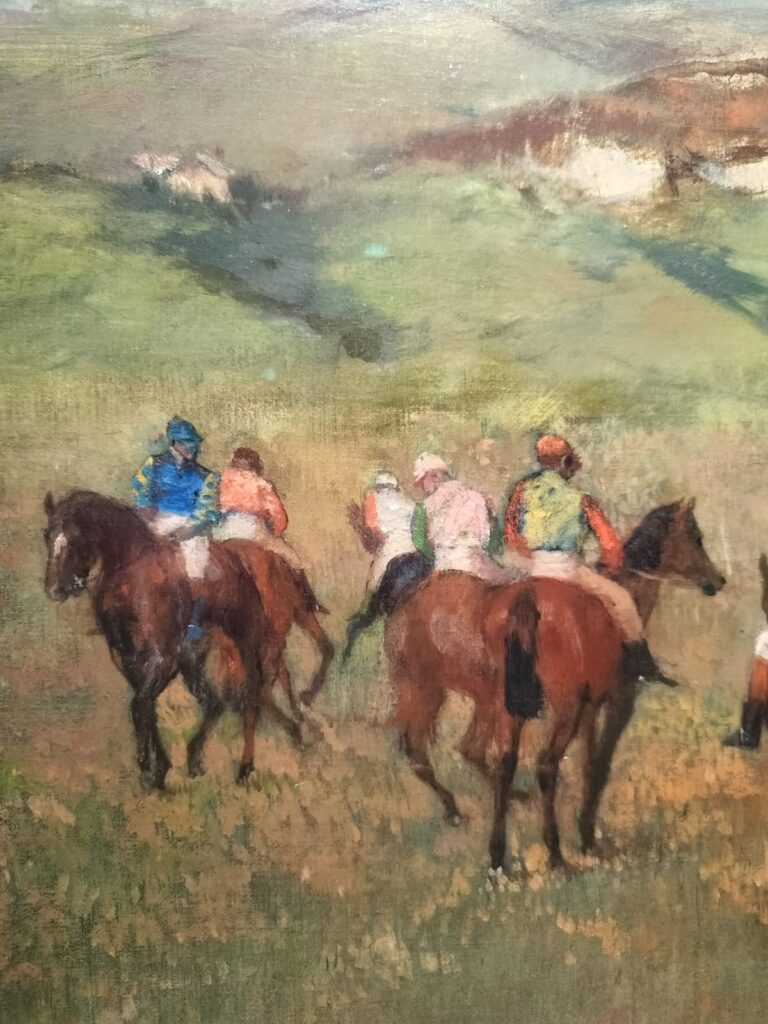
What impressed me most was their courage. These painters accepted instability. Weather
changed, people moved, sunlight disappeared. Painting became an encounter rather than
an attempt at control.
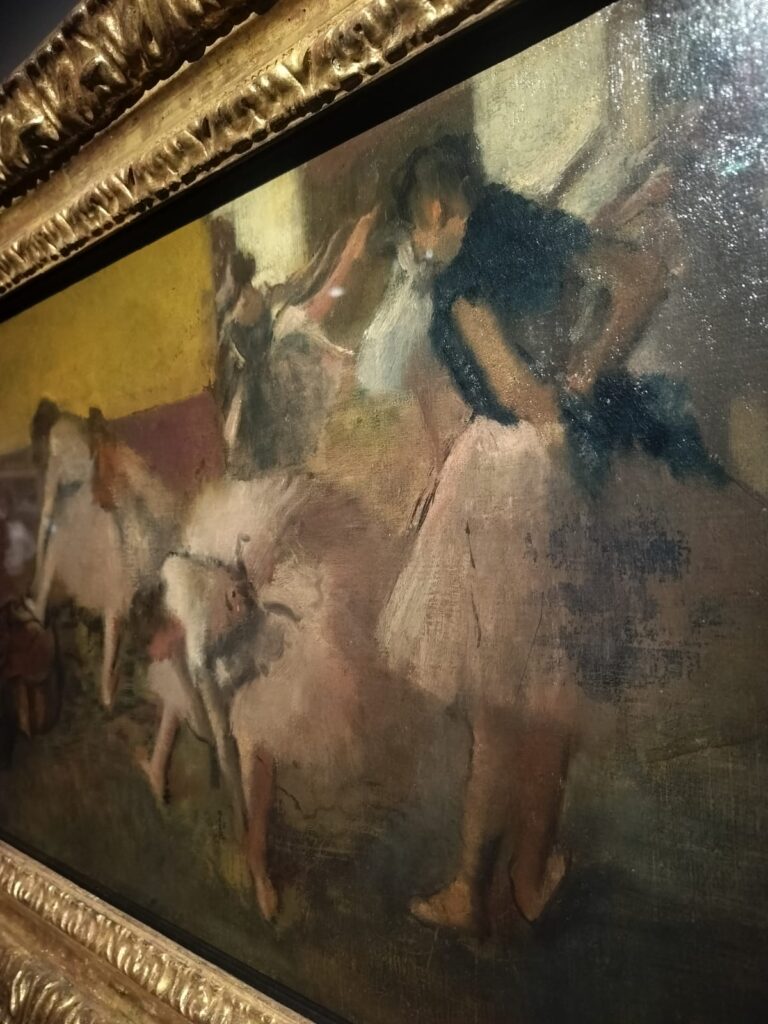
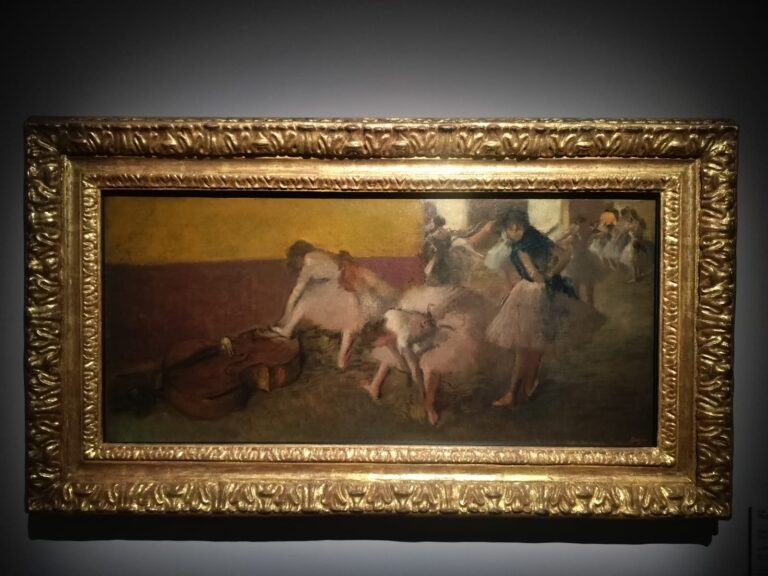
The presence of everyday life felt particularly strong in works connected to Edgar Degas.
Dancers adjusting their posture, figures waiting between movements — moments that
might appear insignificant suddenly become intimate and human when carefully observed.
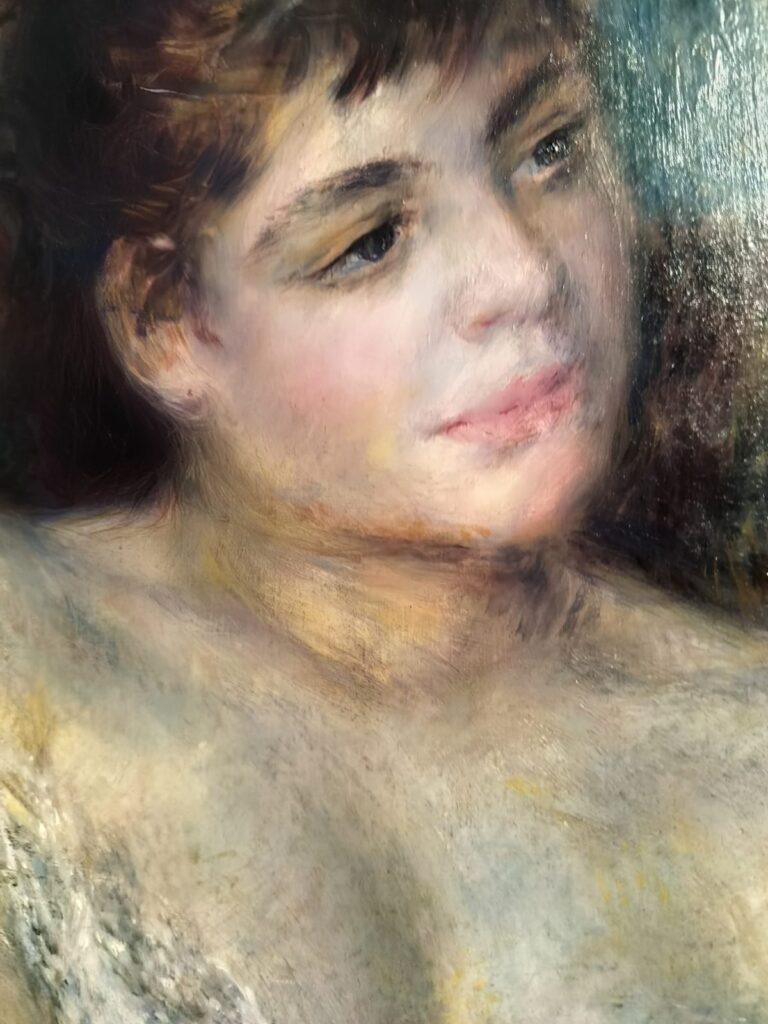
In 1917, painter and critic Walter Sickert wrote about Degas with remarkable clarity,
recognising how his work avoided theatrical drama in favour of truth found in ordinary
gestures. Art, in this sense, becomes an act of attention — a way of honouring life as it
unfolds rather than idealising it.
This idea deeply influences my own artistic practice and teaching.
In my Painting & Wine workshops, creativity is approached as an experience rather than a
performance. During Dancing with Degas Painting & Wine Workshop, we explore movement through gesture
drawing and fluid mark making, allowing the body to guide the hand before the mind
intervenes. Participants often discover that painting movement is also a way of
rediscovering personal freedom.
In workshops inspired by Monet, we focus instead on atmosphere and perception — how
colour relationships can suggest light without describing it literally. Using mixed
techniques, participants experiment with layering, transparency and unexpected materials,
learning how uncertainty can become part of the creative process.
Wine, conversation and shared observation slow down the rhythm of the day. The goal is
not perfection but presence — the same presence that Impressionist painters sought
outdoors, confronting changing light and unpredictable moments